In April 2026, India transforms into a vibrant landscape of celebrations as multiple regions observe their traditional New Years and harvest festivals. The most significant window falls on April 14–15, when solar calendars align across states to mark new beginnings.
This April 2026 Festivals India guide covers the major celebrations, rituals, and cultural significance of this festive season.
1. Baisakhi (Punjab & Haryana) – April 14, 2026
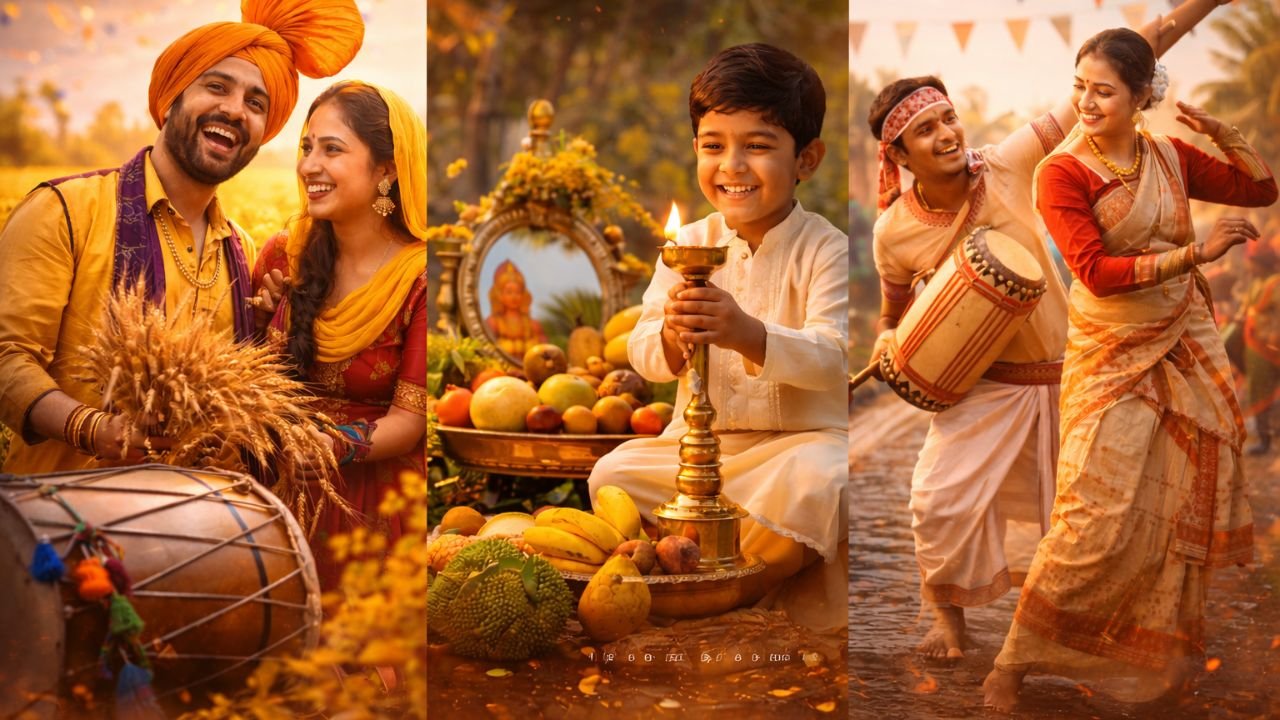
Baisakhi is both a major harvest festival and the Sikh New Year, widely celebrated across Punjab and Haryana. The Baisakhi celebration is one of the most significant events in North India.
Significance
- Commemorates the formation of the Khalsa Panth in 1699 by Guru Gobind Singh
- Marks the harvest season for farmers
How It Is Celebrated
- Gurdwara Visits: Devotees gather at sacred places like the Golden Temple for prayers and kirtan
- Nagar Kirtans: Religious processions led by the Panj Pyare
- Folk Performances: Energetic Bhangra and Gidda dances
- Langar: Free community meals served to everyone
2. Vishu (Kerala) – April 14 or 15, 2026
Celebrated in Kerala, Vishu marks the Malayalam New Year and emphasizes auspicious beginnings. The Vishu festival is known for its unique rituals and traditions.
Significance
The first sight seen on Vishu morning is believed to determine prosperity for the year.
Key Rituals
- Vishukkani: Arrangement of gold, fruits, vegetables, and flowers viewed at dawn
- Vishu Kaineettam: Elders gift money to younger family members
- Vishu Sadya: Traditional vegetarian feast served on banana leaves
3. Bohag Bihu (Assam) – Begins April 14–15, 2026
Also known as Rongali Bihu, this festival marks the Assamese New Year and the arrival of spring in Assam. Bohag Bihu Assam is the most important festival in the state’s calendar.
Celebrations
- Goru Bihu (Day 1): Rituals dedicated to cattle
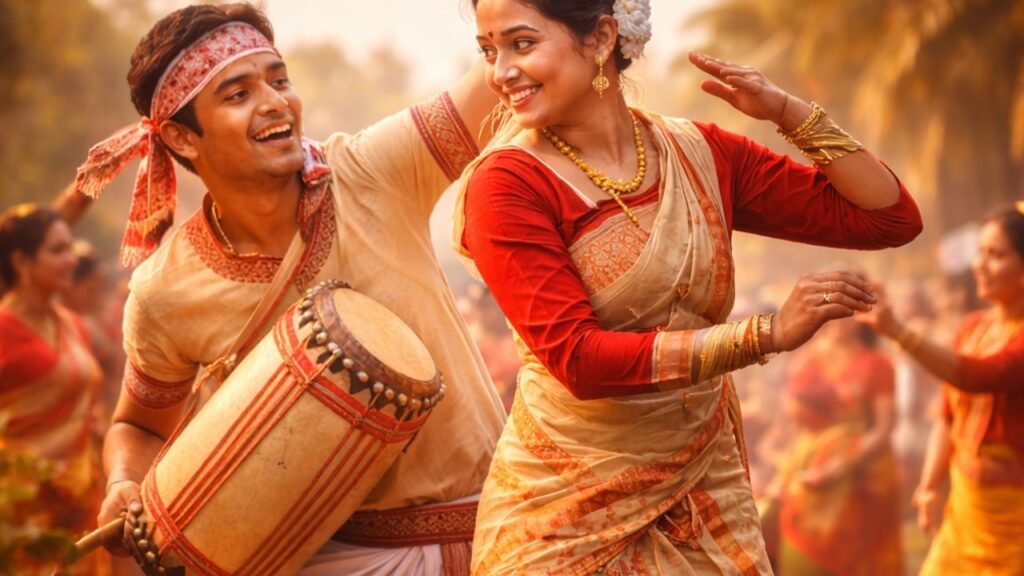
- Manuh Bihu (Day 2): People wear traditional attire like Mekhela Chador and exchange Gamucha
- Bihu Dance: Folk dances performed to traditional instruments like pepa and dhol
4. Other Major Regional Festivals
Several states celebrate their own New Year traditions during this period:
- Puthandu – April 14: Celebrated in Tamil Nadu. Homes decorated with kolam designs. Traditional music and rituals mark the day.
- Poila Boishakh – April 15: Celebrated in West Bengal. Businesses open new account books (Hal Khata). Sweets like sandesh are enjoyed.
- Pana Sankranti – April 14: Celebrated in Odisha. Special drink “Pana” made with jaggery and fruits.
- Thrissur Pooram – April 27: One of Kerala’s grandest temple festivals. Features decorated elephants and percussion performances.
5. Religious Observances and Cultural Events
- Hanuman Jayanti – April 2: Celebrates the birth of Lord Hanuman. Devotees visit temples and recite Hanuman Chalisa.
- Akshaya Tritiya – April 19: Considered highly auspicious for buying gold and starting new ventures.
- Srinagar Tulip Festival – Early April: Held at the Indira Gandhi Memorial Tulip Garden. Asia’s largest tulip garden showcasing millions of blooms.
Why April Is So Important in India
April marks a unique cultural convergence where:
- Multiple regional calendars begin a new year
- Agricultural cycles transition into harvest celebrations
- Religious and cultural traditions overlap across states
This period highlights India’s diversity while uniting communities through shared themes of renewal, gratitude, and prosperity.
Conclusion
From the spiritual gatherings of Baisakhi to the visual traditions of Vishu and the energetic celebrations of Bohag Bihu, April 2026 reflects India’s rich cultural fabric. Each festival carries deep historical and regional significance, making this one of the most festive months across the country.
Frequently Asked Questions
Q1. What are the major festivals celebrated in India during April 2026?
A1. Major festivals include Baisakhi (April 14), Vishu (April 14-15), Bohag Bihu (starting April 14-15), Puthandu (April 14), Poila Boishakh (April 15), Hanuman Jayanti (April 2), and Akshaya Tritiya (April 19).
Q2. What is the significance of Baisakhi?
A2. Baisakhi is both a major harvest festival and the Sikh New Year, commemorating the formation of the Khalsa Panth in 1699 by Guru Gobind Singh. It is widely celebrated across Punjab and Haryana.
Q3. How is Vishu celebrated in Kerala?
A3. Vishu is celebrated with Vishukkani (auspicious arrangement viewed at dawn), Vishu Kaineettam (elders gifting money), and Vishu Sadya (traditional vegetarian feast on banana leaves).
Q4. What is Bohag Bihu and how is it celebrated?
A4. Bohag Bihu, also known as Rongali Bihu, is the Assamese New Year. Celebrations include Goru Bihu (cattle rituals), Manuh Bihu (traditional attire and Gamucha exchange), and Bihu dance performances.
Q5. When is Akshaya Tritiya in 2026 and why is it important?
A5. Akshaya Tritiya falls on April 19, 2026. It is considered highly auspicious for buying gold and starting new ventures.