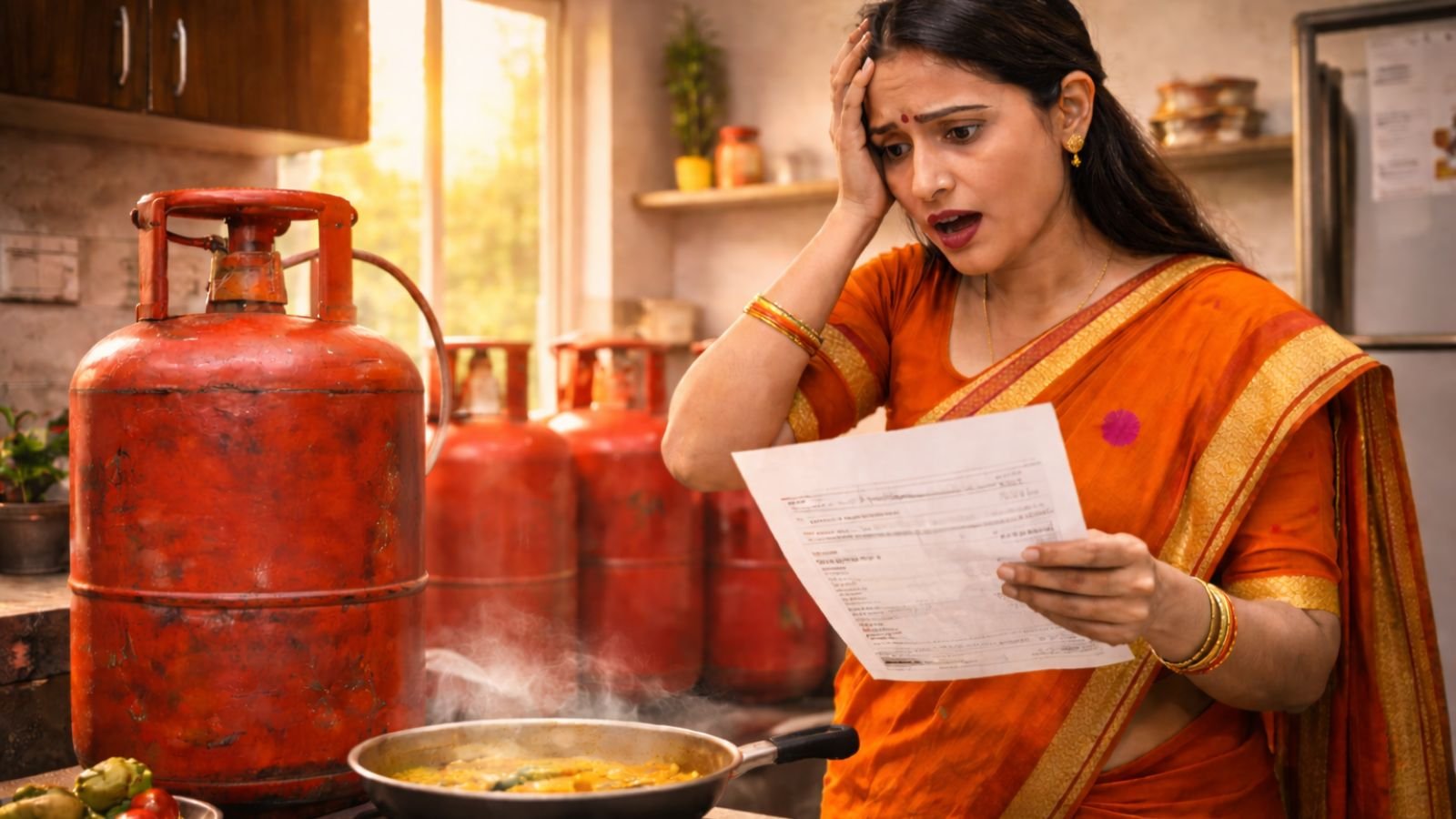
The 2026 LPG crisis in India has emerged as a major energy disruption, affecting households, businesses, and the hospitality sector. The crisis is largely linked to geopolitical tensions in West Asia that have disrupted supply routes, especially through the strategically critical Strait of Hormuz.
India imports nearly 60% of its LPG needs, and about 90% of those imports pass through this route, making the country highly vulnerable to such disruptions. This LPG Crisis 2026 India has triggered widespread concern across the nation.
Why the LPG Crisis is Happening
Geopolitical Disruption
Ongoing tensions involving the US, Israel, and Iran have disrupted shipping routes. Near-closure of the Strait of Hormuz delayed multiple LPG shipments.
High Import Dependency
India has limited LPG reserves, covering only 25 to 30 days of demand. Any delay in imports quickly translates into shortages.
Panic Booking Surge
Reports of shortages triggered a 38% spike in booking demand. This overwhelmed distribution networks across cities.
Impact on Cities and Businesses
Commercial Supply Cut
Government has capped commercial LPG supply at 70% of normal levels. Priority is being given to domestic household users.
Hospitality Sector Crisis
Major cities like Bengaluru, Delhi, and Lucknow are heavily affected. Restaurants are shutting down temporarily, running limited menus, or switching to coal, firewood, or diesel.
Price Surge
Commercial LPG price surge has been significant. Commercial LPG prices increased by over ₹195 in April 2026. Prices have crossed ₹2,000 in major cities.
Black Market Growth
Cylinders are reportedly being sold illegally for ₹4,000 to ₹6,000 in some regions.
Government Measures and Relief Steps
1. Supply Diversification
India is importing LPG from the United States, Russia, Norway, and Algeria. However, delivery takes longer (up to 40 days vs 10 days from West Asia).
2. Domestic Production Boost
Refineries instructed to increase LPG output. Domestic production is up by 25 to 30%.
3. Customs Duty Waiver
Duties removed on 40 key petrochemicals until June 30, 2026. Aimed at reducing industrial cost pressures.
4. PNG Push
Businesses in Delhi must apply for Piped Natural Gas (PNG) connections. PNG is seen as a long-term alternative to LPG.
5. Booking Restrictions
Refill gap increased to 25 days in urban areas and 45 days in rural areas.
Current LPG Prices (April 2026)
- Delhi: Domestic (14.2 kg) – ₹913 | Commercial (19 kg) – ₹2,078
- Bengaluru: Domestic – ₹915.50 | Commercial – ₹2,173
- Mumbai: Domestic – ₹912.50 | Commercial – ₹2,031
- Chennai: Domestic – ₹928.50 | Commercial – ₹2,200+
Note: Prices are approximate and may vary based on recent hikes.
What This Means for Consumers
For Households
Domestic supply remains relatively protected. However, refill delays may increase.
For Businesses
Rising costs and limited supply may impact operations. Many are shifting to alternative fuels or PNG.
For the Economy
Increased fuel costs could raise food prices, impact small businesses, and add inflationary pressure.
Future Outlook
The cooking gas shortage India is expected to continue in the short term until geopolitical tensions ease, alternate supply chains stabilize, and domestic production increases further. PNG and renewable alternatives may see faster adoption due to this crisis.
Conclusion
The 2026 LPG crisis highlights India’s dependence on global energy routes and the risks of geopolitical disruptions. While the government response LPG includes supply diversification and production boosts, the impact is already visible across households and industries.
Long-term solutions will likely focus on diversified energy sourcing, increased domestic production, and expansion of PNG infrastructure.
Frequently Asked Questions
Q1. What caused the 2026 LPG crisis in India?
A1. The crisis is primarily caused by geopolitical tensions in West Asia disrupting shipping routes through the Strait of Hormuz, through which about 90% of India’s LPG imports pass.
Q2. How much LPG does India import?
A2. India imports nearly 60% of its LPG needs, with limited domestic reserves covering only 25 to 30 days of demand.
Q3. How have LPG prices changed in April 2026?
A3. Commercial LPG prices increased by over ₹195 in April 2026, crossing ₹2,000 in major cities. Domestic prices remain relatively protected but may face refill delays.
Q4. What steps has the government taken to address the crisis?
A4. Steps include supply diversification (imports from US, Russia, Norway, Algeria), domestic production boost of 25-30%, customs duty waiver on 40 petrochemicals, PNG push for businesses, and increased refill gaps.
Q5. How is the hospitality sector being affected?
A5. Restaurants in cities like Bengaluru, Delhi, and Lucknow are shutting down temporarily, running limited menus, or switching to alternative fuels like coal, firewood, or diesel due to commercial LPG supply cuts.